

By their fruits you should know them. Over the years, I have questioned whether or not I am a Christian. I even declared in my manic state that I am not a Christian.
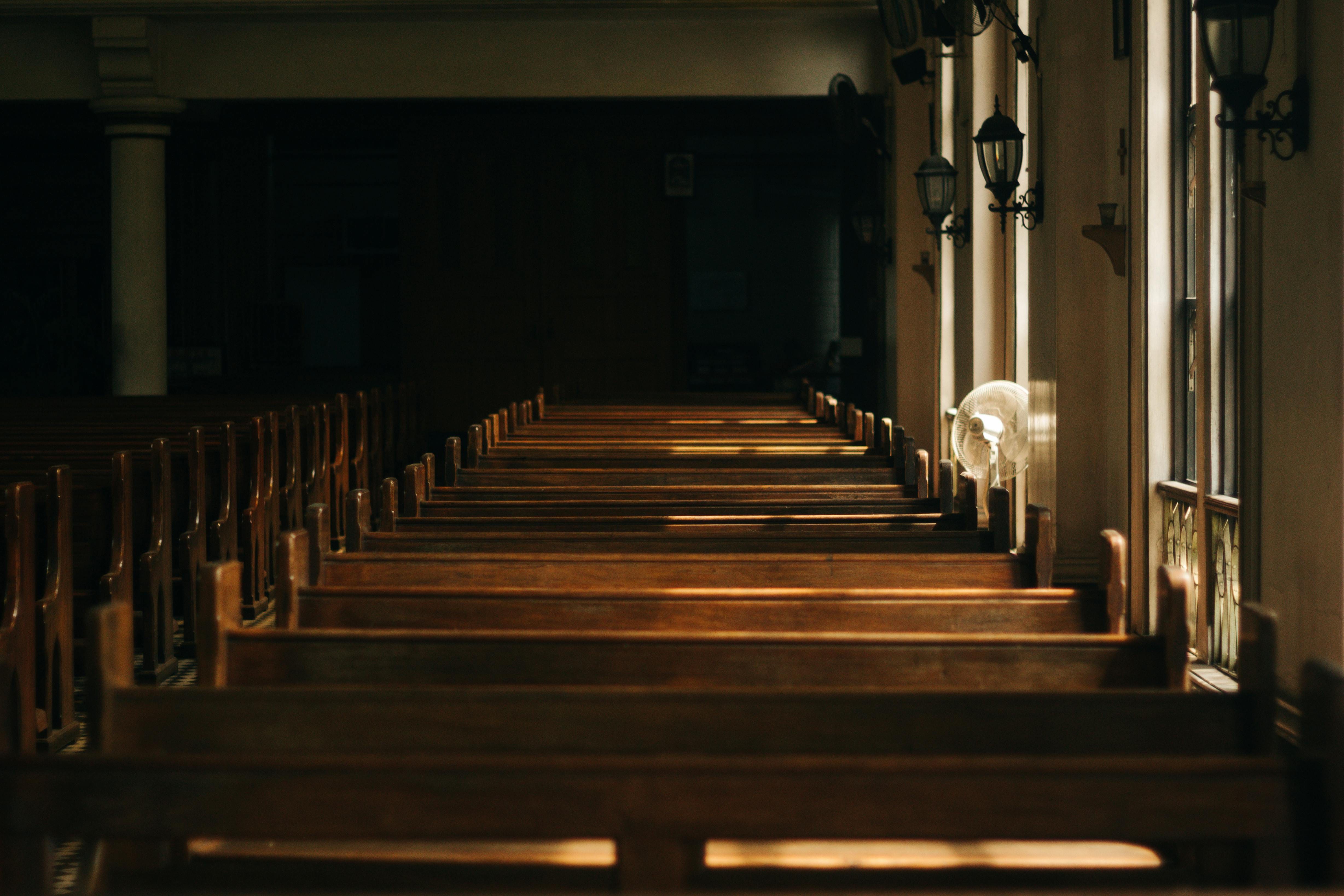
I hated the church culture, the shallowness of pews, the lack of depth beyond a Sunday service. Right now, it’s been almost half a year since I decided not to go to church.
I wonder and ask myself what makes a Christian in 2025 a Christian? Is it their attendance at a local congregation? Is it their zeal for worship on Sunday? Is it their deep pockets tithing to their church?
What bothers me is how disconnected it all feels. How can an hour or two of routine fix the complexities of a human soul? How can a sermon reshape the parts of me that were formed in trauma, forged in suffering, or unraveled in psychosis? It can’t. And pretending it does feels dishonest.
Church gives people a script, and it teaches people to consume spirituality instead of living it.
And this is where the church starts feeling consumer‑driven and transactional. People show up to get something instead of being something. The whole structure begins to mirror a marketplace more than a spiritual community: you come, sit, listen, give, and leave. You “pay” with attendance and tithes, and in return, you “receive” inspiration, music, or a feeling of belonging. It’s a subtle shift, but once you notice it, it’s hard to unsee.
The relationship with God becomes transactional without anyone meaning for it to happen. You give Him an hour on Sunday—He gives you peace. You drop money in the plate—He blesses you. You show up—He fixes your problems. It’s spirituality turned into an exchange instead of a relationship.
Church unintentionally reinforces this. Worship becomes emotional stimulation. Sermons become motivational speeches. The community gets divided into tightly managed programs. Spirituality gets reduced to an event instead of a lifestyle. It teaches people to consume God rather than walk with Him.
But life doesn’t work like that. Faith isn’t a transaction. God isn’t a product. And the soul can’t be renewed by routine alone. That’s why so many people leave church unchanged. Not because they’re rebellious—but because the system isn’t big enough for the complexity of a human heart, especially one shaped by trauma, suffering, and real struggle.
So when I say church feels hollow to me, this is what I mean.
Another part of this comes from the people I’ve met along the way. I won’t go into details, but I’ve crossed paths with a lot of people in church who made massive social or moral mistakes—things that harmed others, things that would normally demand real accountability—and yet they hid behind forgiveness as if it erased the damage.
They played the game: show up, say the right words, look redeemed, and expect everyone to treat them like nothing happened because “God forgave them.”
It creates a strange tension. People commit serious harm, then return to the church culture and get welcomed as if forgiveness automatically means trust, safety, or maturity. And everyone is expected to accept it quietly, because that’s the unspoken rule of the system.
I’ve seen that pattern more times than I can count. And it makes the whole environment feel disconnected from reality—because life doesn’t work that way. Real transformation isn’t instant. Real repentance isn’t performative. And forgiveness doesn’t erase consequences.
When church culture overlooks all of that, it becomes hard to take the system seriously. Not because God isn’t real, but because the way people use God to bypass accountability feels deeply off. My relationship with God can’t survive inside a formula.
It has to be something lived, not consumed, and it teaches people to consume spirituality instead of living it. But life doesn’t follow that script. Life is messy, unpredictable, filled with struggle and relapse and questions and contradictions. And when the real battles hit—the kind that happen at 3 am, not 10 am on a Sunday—there is no pastor, no worship band, no sanctuary full of smiling faces. There is only you, your mind, your faith, and God.
So when I think about what makes someone a Christian… it can’t be the ceremony. It has to be something deeper. Something lived. Something real.
As I wrestle with all of this, the question keeps returning to me in a quiet, personal way: if Christianity is lived more than declared, then what does that make me? I’ve stepped away from the building, from the programs, from the formula. I’ve questioned the culture, the rituals, the performance.
I’ve searched for something deeper, something real.
So I’ll end with this: Do you think I am a Christian? Not by attendance, not by public declaration, not by the rituals or the roles—but by the life I’m trying to live, the questions I’m asking, the fruit you can see.
You decide.
If faith is a tree, maybe mine isn’t planted in a churchyard. Maybe it’s growing in the wild—weathered, a little crooked, shaped by storms instead of gardeners, but still alive, still reaching upward. If that counts as Christian, then so be it. If it doesn’t, then let the reader say why.